
Our Services
Health and Safety Audit
Why a Health and Safety Audit is needed The main legislation which is relevant to this subject is the Occupational Safety and Health Act, 2007 and its subsidiary legislations. The audit is conducted in compliance to Section 1) 13) of Legal Notice No. 31 of 2004 under the Occupational Safety and Health Act, 2007 of the laws of Kenya. Under the aforesaid section, every occupier is required to cause a health and safety audit of the workplace at least once in every period of 12 months by a health and safety adviser registered for that purpose by the Director of Occupational health and safety as per Section 10 of Legal Notice No 31 of 2004.
There are many legal duties placed on employers/Occupiers and its directors/managers regarding health, safety and welfare at the workplace. A Health and Safety Audit of workplaces and their associated operations is a way of periodically checking if and how they are complying with requirements of the Occupational Safety and Health Act, 2007. It also allows comparisons to be made between the areas that are performing well regarding health and safety management and those that are not.
It is a requirement under the aforesaid provisions that all workplaces as described under the act be subject to annual health and safety audits to ensure that their Safety Management Systems are adequate and compliant, and to help the organization’s achieve continuous improvement.
Our comprehensive Health and Safety Audit based on the provisions of LN. No 31 of 2004 involves an initial evaluation of an organisation’s existing system for managing Health & Safety. We also review structure and methods of operation, and survey the workplace internally, externally and site operations, to identify hazards, unsafe acts or conditions, and non-compliance with Regulations.
From the health and safety audit outcome we will report on our findings and submit a copy of the report to the Directorate of Occupational Health and Safety Services as required under Sec. 1) 13) of Legal Notice No. 31 under the Occupational Safety and Health Act, 2007 of the laws of Kenya. We will also offer advice and guidance on actions necessary to enable the company to fully comply with health & safety regulations and best industry practice.
Typically, audits begin with a pre-audit review of client documents, nature and scope of operations, determining expected hazards and potential exposures. The onsite portion of the audit begins with a kickoff meeting, site inspection, review of pertinent records/documents, interviews and a closing meeting for review of the findings/comments. Depending on the type, size and purpose of a facility, safety and health audits typically take one to five days of on-site time. Reports are typically completed and provided at the conclusion of the audit during the closing meeting. The report is then submitted to the Directorate of Occupational Health and safety Services as required and copy is given to the client after being acknowledged by DOSHS.

ENVIRONMENTAL AUDIT
An environmental Audit is a systematic documented, periodic and objective evaluation of how activities and processes of an ongoing project to determine how far these activities and programs conform
with the approved environmental management plan of that specific project and sound environmental management practices. A comprehensive EA promotes safe and healthy environment at all stages of a project operations, as well as decommissioning.
An environmental compliance audit, on the other hand is a comprehensive, systematic, documented evaluation that is designed to find and fix environmental violations for companies, local governments and individuals. It includes not only a compliance review, but regular reporting requirements and schedules for correcting problem areas discovered during the audit. Many include a review of pollution prevention opportunities.
Environmental Audits are typically conducted by Lead Consultants or firm of experts registered by National Environment Management Authority (NEMA) under the provisions of the Environmental.
management and Coordination Act (EMCA), 1999, who review individual facility or company-wide operations. As defined in the Environment (Impact Assessment and Audits) Regulations, 2003, the audits must conform to EMCA’s definition of environmental audit and must be conducted on annual basis.
Well managed companies and local governments/ authorities and individuals with environmental responsibilities conduct these environmental “checkups” regularly to keep them in compliance with environmental laws and regulations. They do it because it is the right thing to do, and it saves them compliance costs down the road.
The Goal of Environmental Audit The goal of EA is to establish if proponents of projects are complying with the environmental requirements and enforcing legislation.
What Environmental Audit Looks For
1. An Environmental auditor shall appraise all project activities, including the production of goods and services, taking into consideration environmental regulatory frameworks, environmental standards, environmental health and safety measures and sustainable use of natural resources. An auditor shall specifically:
- Indicate the objective, scope and criteria of the audit.
- Study all relevant environmental law and regulatory frameworks on health and safety, sustainable use of natural resources and acceptable national and international standards.
- Verify the levels of compliance by the proponent with the conditions of the environmental management
- Review existing project documentation related to all infrastructural facilities and designs
- Examine monitoring programs, parameters, and procedures in place for control and corrective actions in case of
- Examine records of incidents and accidents and the likelihood of future occurrence of the incidents and
- Examine and seek views on health and safety issues from the project employees, the local and other potentially affected communities.
- The past and the present impacts of the
- The responsibility and proficiency of the operators of the
- Existing internal control mechanisms to identify and mitigate activities with a negative environmental impact
- Existing internal control mechanisms to ensure the workers’ health and
- The existence of environmental awareness and sensitization measures, including environmental standards and regulations, law and policy, for the managerial and operational.
NOISE LEVELS ASSESSMENT
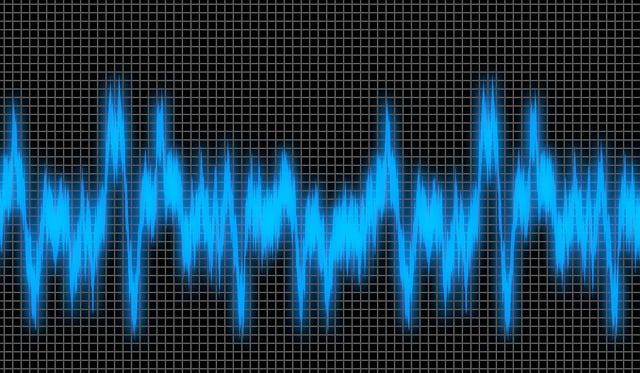
The aim of this assessment is to determine the exposure levels of noise at a workplace environment due to factory operation and obtain data for use in planning and control measures, to eliminate or minimize workers exposure.
The exposure level obtained after analysis will be compared with standards (threshold limit value-TLV) adopted by international Labour Organization (ILO) and America Conference of Industrial (ACGIH) 1989, guideline document.
Noise Level Assessments are done as stipulated under Sec. 1)6) that states that the occupier should carry out measurements of noise at least once every period of twelve months in order to determine the prevailing noise.
FIRE SAFETY AUDIT
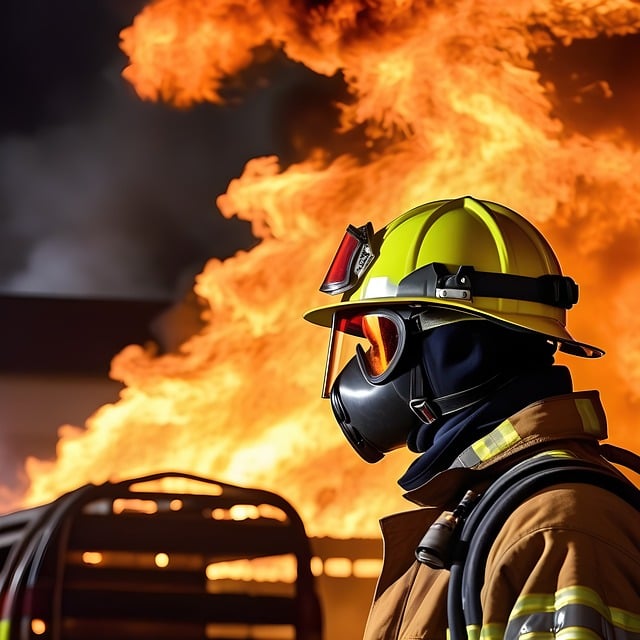
We conduct a Fire Safety Audits at places of work give information on but not limited to: The fire fighting equipment available in the premises and their adequacy, the existent fire hazards, measures in place for control of fire and the emergency response procedures in place in the event of fire emergency situations.
This assessment is done in compliance to Section 36 of the Fire Risk Reduction Rules, 2007. These are done by an approved Fire Safety Auditor as per Section 37 of the said rules and who conducts all duties as required under Sec 38 of the rules aforesaid.
HEALTH AND SAFETY RISK ASSESSMENT
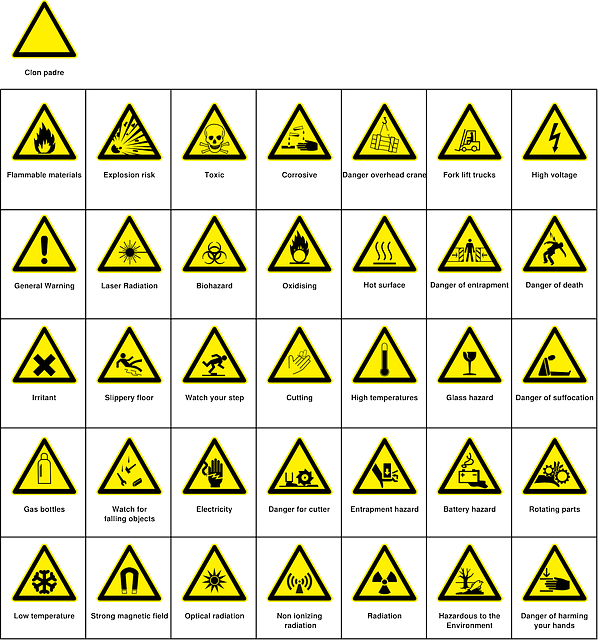
A health and safety risk assessment is in compliance to sec.3) 6) of the Occupational Safety and Health Act, 2007 under Part II – General Duties. Here, every occupier is required to carry out appropriate risk assessments in relation tom to the health and safety of persons employed and, on the basis
of these results, adopt preventive and protective measures to ensure that under all conditions of their intended use, all chemicals, machinery, equipment, tools and processes under the control of the occupier are safe and without risk to health and comply with the requirements of the safety and health provision of the aforementioned ACT.
MEDICAL EXAMINATION
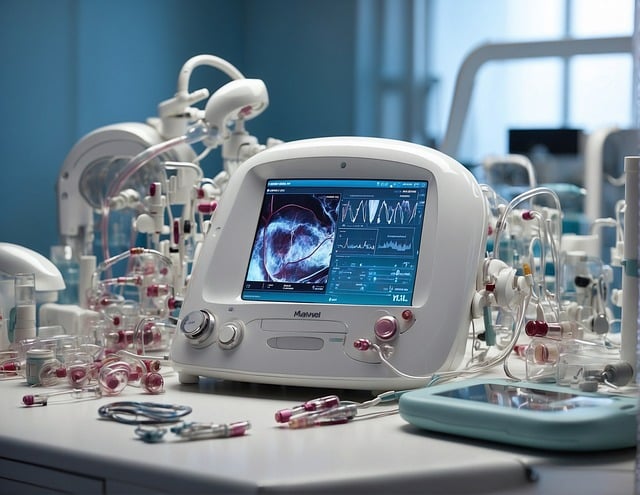
Medical Examinations are conducted as according to the Medical Examinations Rules, 2005 – Sec. 5 where it is the duty of the employer to ensure that all persons employed in any of the occupations outlined in the Eighth schedule of the Factories and Other Places of Work Act, now replaced by the second schedule of the Occupational Safety and Health Act. 2007 undergo both pre-employment and periodic medical examinations by a designated health practitioner (DHP), without any loss of earnings for the employees (Sec. 5 of the aforesaid rules). A summary report on the same should be submitted within twenty one days to the director and a copy sent to the employer.
AIR QUALITY MEASUREMENT
Air quality measurement is based on Air Quality Index (AQI) {also known as the Air Pollution Index (API) or Pollutant Standard Index (PSI)}. This is a number used by the Standards and Enforcement Review Committee as stipulated under section 78 of the Environmental Management and Co-ordination
Act (1999) to characterize the quality of air at a given location/workplace. As the AQI increases, an increasingly large percentage of the population is likely to experience increasingly severe adverse health effects. Air quality index values are divided into ranges, and each range is assigned a descriptor to signify the air quality of the sample air given.
FIRE TRAINING
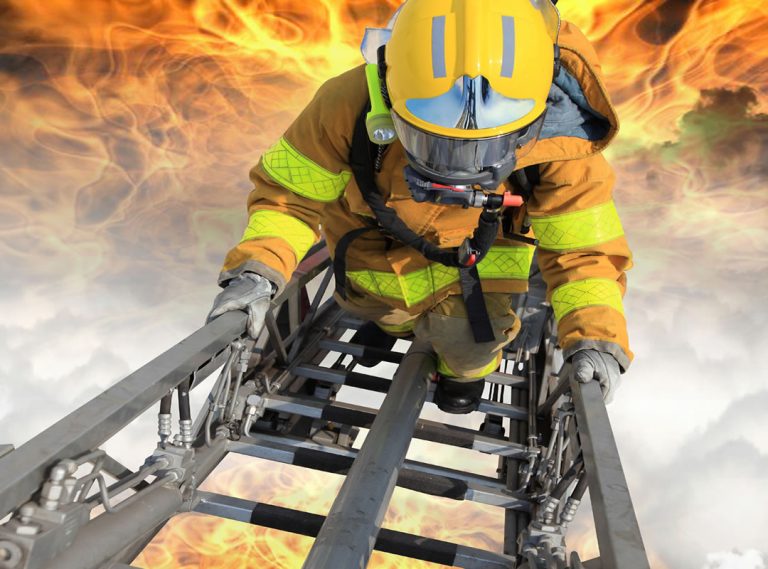
Fire training is conducted in places of work tandem to Section 21 of the Fire Risk Reduction rules, 2007. This aids in the formation of a Fire Fighting Team and is normally accompanied by a fire drill.
OCCUPATIONAL HEALTH AND SAFETY TRAINING
This training is conducted for the Health and Safety committee at all workplaces. The training is conducted by experienced and registered health and safety advisors at the workplace premises; and is as per the curriculum developed by Directorate of Occupational Health and Safety Services (DOHSS). This training is covered under Section 1,2) 12) of the Safety and Health Committees Rules, 2005


ENVIRONMENTAL IMPACT ASSESSMENT
An Environmental Impact Assessment is conducted in order to enhance compliance with prescribed environmental management legislations requirements by NEMA (National Environment Management Authority) That is with reference to the Kenya Gazette, Supplement No. 56, Legislative Supplement No. 31, Legal Notice No.101 on the Environmental Impact Assessment and Audit regulations 2003, the National environment Management Authority (NEMA) requires that a proponent prepares an Environmental Impact Assessment in accordance with subsection 7 of the aforementioned legal notice for all projects that fall under Schedule 2 of EMCA,1999.